For this assignment, I tracked my media use over a 24-hour period and focused on content that seemed questionable or not fully credible. Most of what I looked at came from Instagram, which is where I spend a lot of my time, and honestly I was surprised by how much of it could be considered misleading or oversimplified.
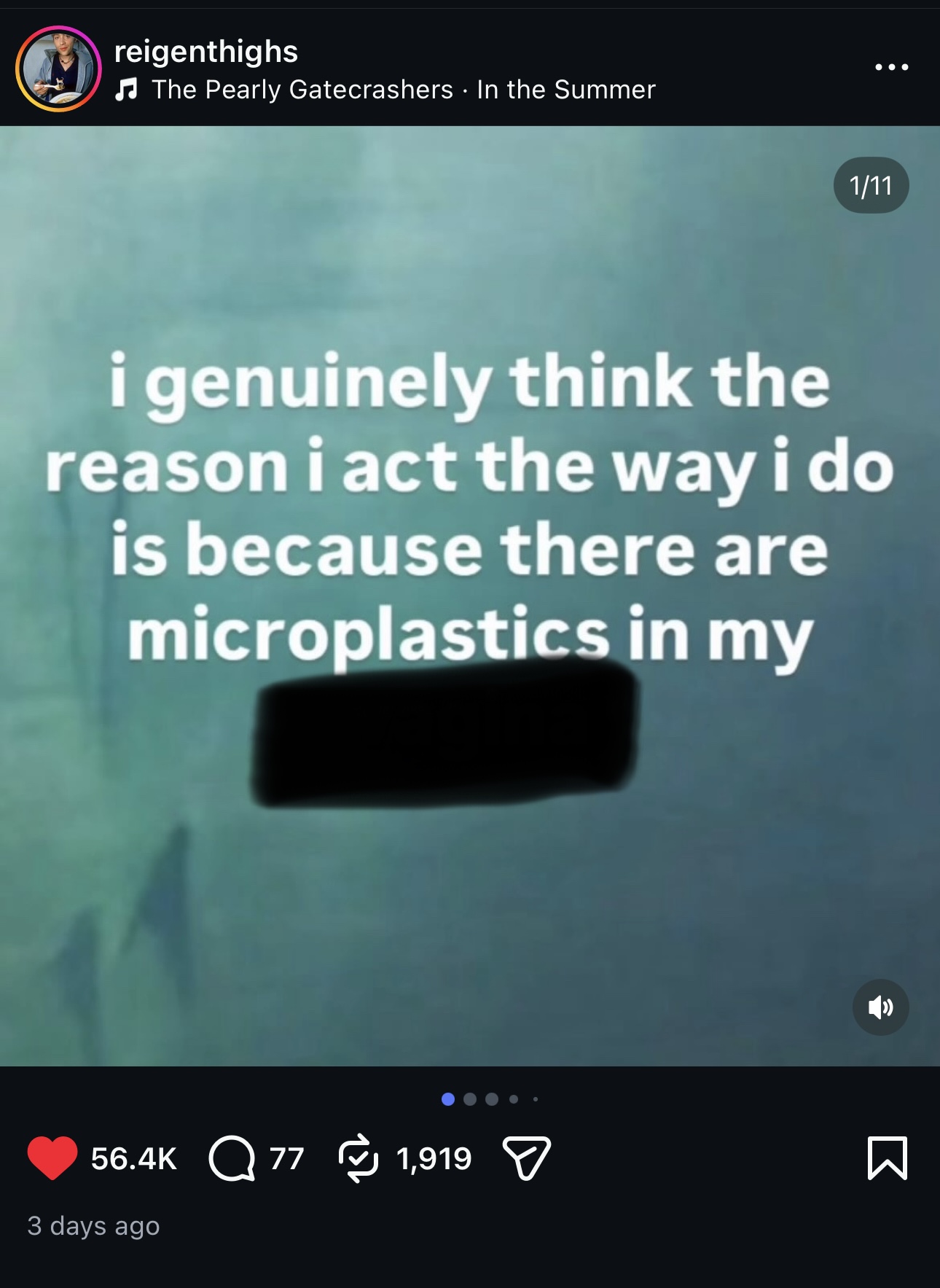
7:30 a.m.: I started my day by scrolling TikTok and looking through my liked videos. One video joked that “the reason I act the way I do is because there are microplastics in my body.” It was obviously meant to be funny, but it still uses a real scientific topic in a way that’s not accurate. According to Vraga and Bode (2020), misinformation doesn’t always have to be completely false—it can just be misleading or taken out of context. There is research on microplastics, but nothing that actually supports behavior being caused by them like that.
10:00 a.m.: I came across a video talking about complex PTSD. It sounded informative, but there were no sources, and it simplified a serious mental health condition into a short aesthetic video. That’s kind of risky because people might start diagnosing themselves based on incomplete info. The Verification Handbook explains that content can feel credible even when it’s not backed by evidence (Silverman, 2020). When I looked it up myself, I realized the video left out a lot of important details.
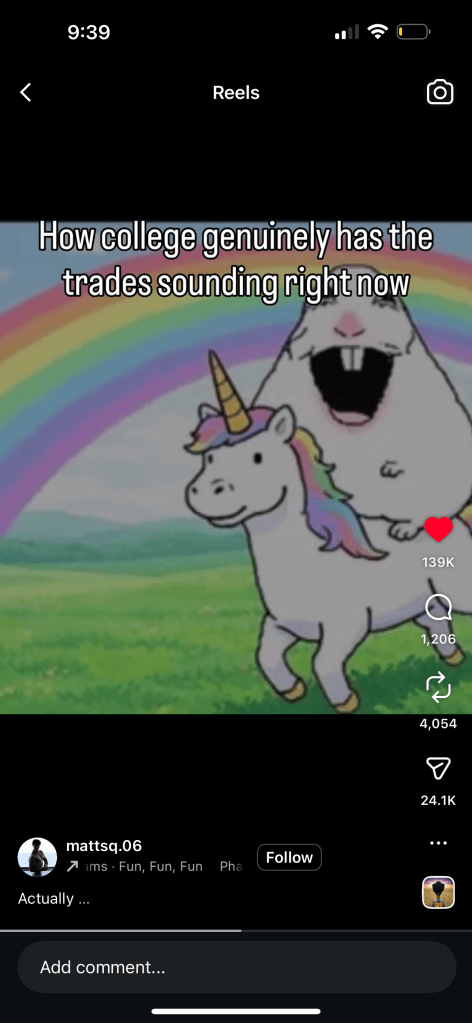
1:30 p.m.: I watched a video saying college isn’t worth it and that trades are always better. That’s definitely an opinion people can have, but the video presented it like it’s true for everyone. Research shows people are more likely to share stuff that feels emotional or relatable, even if it’s not fully accurate (Araujo et al., 2021). It just didn’t include any actual evidence or different perspectives.
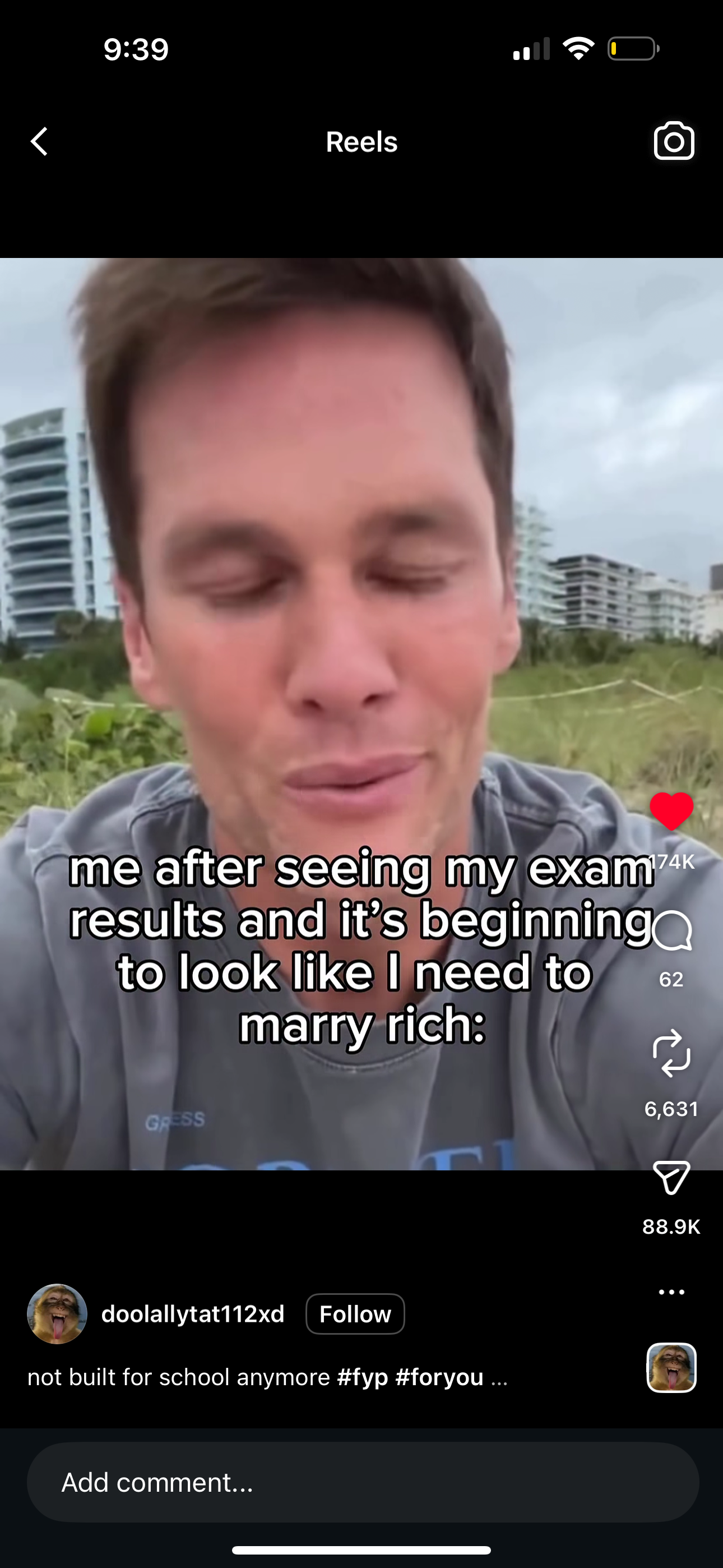
4:00 p.m.: I saw a bunch of meme-type videos about money and success, like one saying if you fail exams you should just “marry rich.” Obviously it’s exaggerated, but it still pushes certain ideas about success and life. Cook (2018) explains that misinformation can also come from exaggeration or framing, not just straight-up false facts.
To fact-check, I googled specific claims, compared info to reliable sources, and looked for actual evidence or citations (which were usually missing.)
Most of the time, the videos didn’t hold up when I looked deeper. Because of that, I wouldn’t share them as facts, and I’d be more careful about believing similar content in the future.
Reflecting on this, I definitely saw more questionable content than I expected, especially on TikTok. It was usually the same type of creators posting it—people sharing opinions, humor, or personal takes without sources. I also realized I’m more likely to fact-check serious topics like health, but I don’t question entertainment content as much, even though it still influences how I think.
Overall, this assignment made me realize how easy it is to consume misinformation without even noticing. Even when something seems harmless or funny, it’s still important to question it.
Citations
Altay, S., de Araujo, E., & Mercier, H. (2021). “If This account is True, It is Most Enormously Wonderful”: Interestingness-If-True and the Sharing of True and False News. Digital Journalism, 10(3), 373–394. https://doi.org/10.1080/21670811.2021.1941163
Cooke, N. A. (2018). Fake news and alternative facts : information literacy in a post-truth era. ALA Editions.
Silverman, C. (2020). Verification Handbook. https://verificationhandbook.com/downloads/verification.handbook.pdf
Vraga, E. K., & Bode, L. (2020). Defining Misinformation and Understanding its Bounded Nature: Using Expertise and Evidence for Describing Misinformation. Political Communication, 37(1), 136–144. https://doi.org/10.1080/10584609.2020.1716500
Donovan, J. (2020). The Lifecycle of Media Manipulation. https://datajournalism.com/read/handbook/verification-3/investigating-disinformation-and-media-manipulation/the-lifecycle-of-media-manipulation
 Dead Girl Diaries
Leave a comment