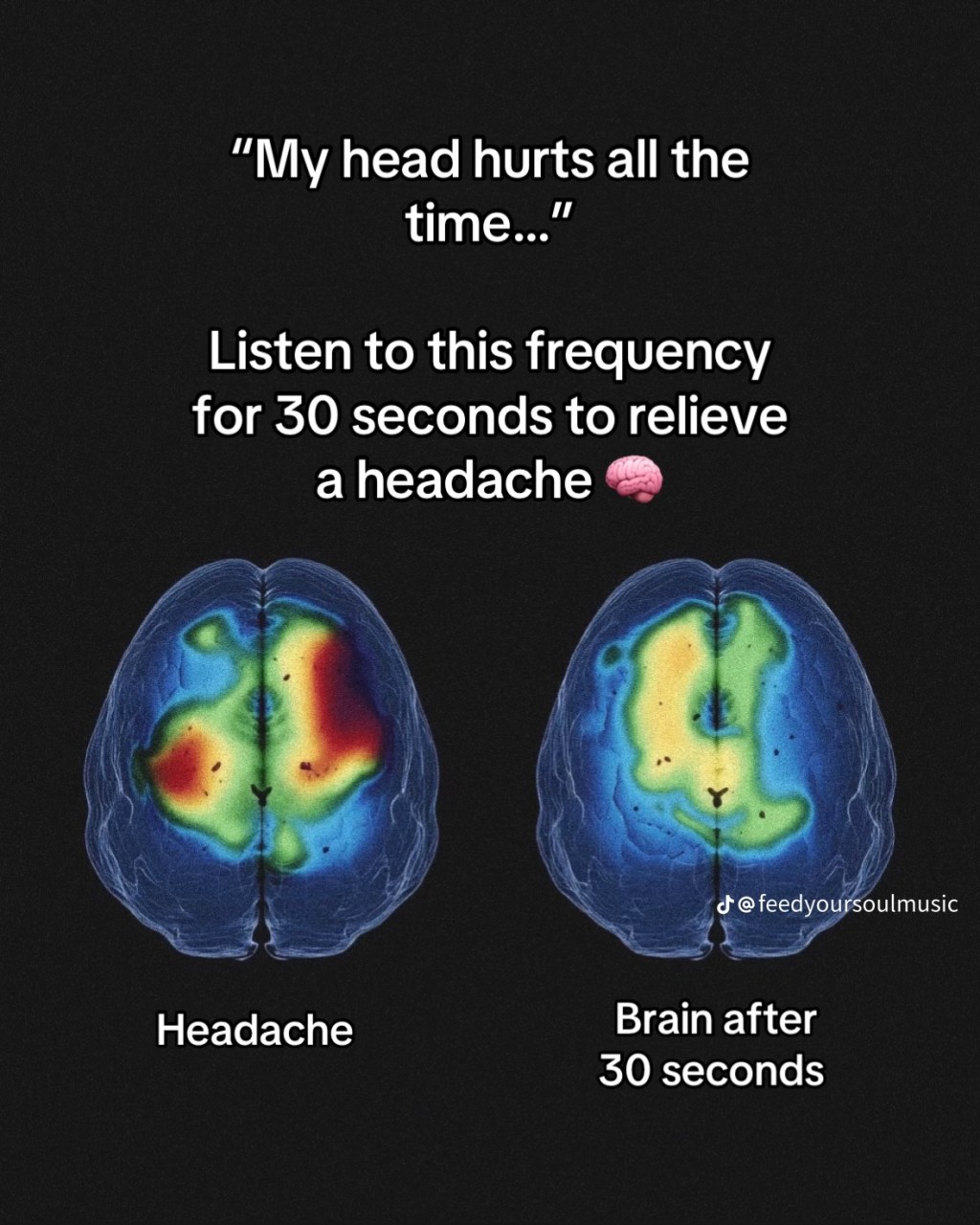
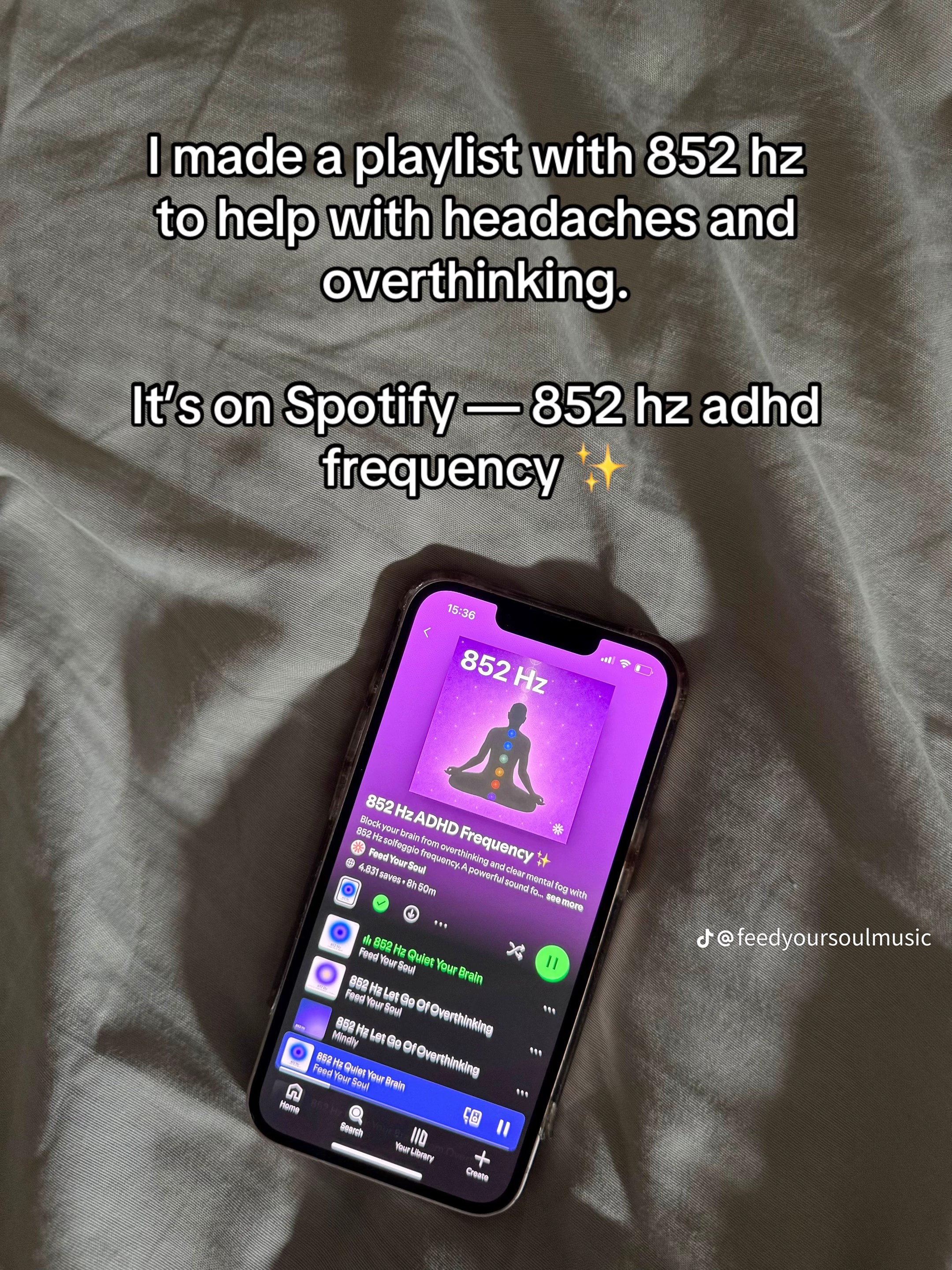
The claim I chose to analyze comes from a TikTok that says listening to an “852 Hz frequency” for 30 seconds can relieve headaches and reduce mental tension. The video also includes brain scan images labeled “headache” versus “brain after 30 seconds,” suggesting a dramatic improvement. I decided to evaluate this claim because it seemed too good to be true. Headaches are a complex medical issue, so the idea that they could be fixed in 30 seconds by a specific sound frequency was a major red flag. The use of scientific-looking brain images without any explanation or source also made the claim feel misleading.
The first step I took was to stop and consider the source. The TikTok account (@feedyoursoulmusic) focuses on “healing frequencies” and playlists rather than medical advice. There were no doctors, studies, or credible sources cited in the video. This lack of evidence made me skeptical right away.
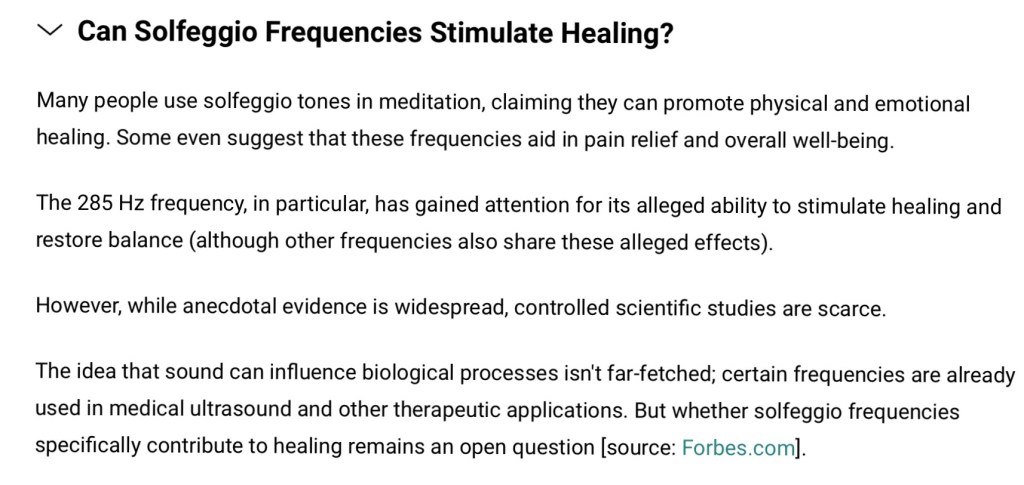
Next, I used lateral reading by opening new tabs and searching “852 Hz frequency benefits science.” Instead of staying on TikTok, I looked for reliable sources. One of the first articles I found was from HowStuffWorks, which discusses whether “Solfeggio frequencies” are healing tones or pseudoscience. The article explains that while these frequencies are popular in wellness communities, there is little scientific evidence supporting their supposed healing effects (Taras, 2025).
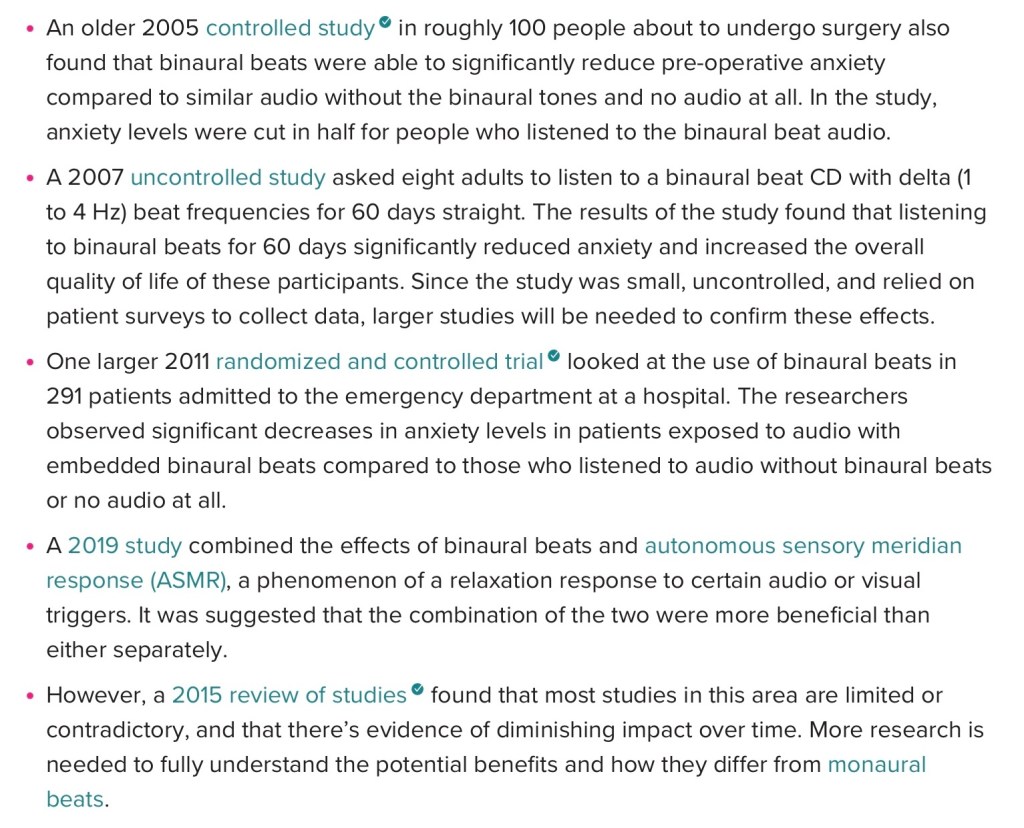
I then checked a health-focused source, Healthline, which had an article about binaural beats. It explained that listening to certain types of audio may help with relaxation, focus, or mood, but it does not claim that specific frequencies can instantly cure headaches. This shows that while sound can have some mental health benefits, the TikTok exaggerates what it can actually do (Healthline, 2024).
To go further, I looked for scientific research using PubMed. I found a study comparing music tuned to different frequencies (440 Hz vs. 432 Hz). While the study explored potential effects on the body, it did not provide strong evidence that specific frequencies can heal pain or produce immediate medical results (Calamassi & Pomponi, 2019). This suggests that the science behind frequency-based healing is still limited and not definitive.
Another important step was analyzing the images used in the TikTok. The brain scans look convincing, but there is no source or explanation for them. This is a common misinformation tactic—using scientific visuals to make a claim seem more legitimate without actually providing evidence. Without context, these images cannot be trusted.
Based on all of my research, I concluded that this claim is misleading. While listening to music or calming sounds might help someone relax, there is no credible evidence that an “852 Hz frequency” can relieve a headache in 30 seconds or significantly change brain activity in that way.
This process showed me how important it is to verify information, especially on platforms like TikTok where content spreads quickly and isn’t always fact-checked. By using lateral reading and checking multiple sources, I was able to see that the claim was exaggerated and not supported by strong scientific evidence. This is why people should always take the time to question and verify health-related claims online
Citations:
Taras, Z. (2025, March 21). Solfeggio Frequencies: Healing Tones or Pseudoscience? HowStuffWorks. https://science.howstuffworks.com/science-vs-myth/unexplained-phenomena/solfeggio-frequencies.htm
Cafasso, J. (2017, October 6). Do Binaural Beats Have Health Benefits? Healthline. https://www.healthline.com/health/binaural-beats#potential-benefits
Calamassi, D., & Pomponi, G. P. (2019). Music Tuned to 440 Hz Versus 432 Hz and the Health Effects: A Double-blind Cross-over Pilot Study. Explore (New York, N.Y.), 15(4), 283–290. https://doi.org/10.1016/j.explore.2019.04.001
 Dead Girl Diaries
Leave a comment