
Most people check reviews before buying anything. Whether it’s ordering something on Amazon, trying a new restaurant on Yelp, or even choosing a product recommended on TikTok, reviews feel like a reliable way to make decisions. They seem authentic because they come from “real people” sharing their experiences. However, what many users don’t realize is how easily online reviews can be manipulated. From fake accounts to paid promotions and even AI-generated content, reviews are not always as honest as they appear. For college students who rely heavily on quick online decisions, understanding how these systems are influenced is more important than ever.
One of the most common ways reviews are manipulated is through fake accounts and bots. Companies or sellers can create multiple accounts to leave positive reviews for their own products, boosting their ratings and making them appear more trustworthy. At the same time, competitors may post negative reviews to damage another brand’s reputation. These fake reviews are often written in a way that sounds convincing, which makes them difficult to detect at first glance. According to Luca and Zervas (2016), businesses have been shown to strategically use fake reviews to improve their visibility and influence consumer decisions, especially on platforms like Yelp.
Another major issue is paid or incentivized reviews. Some companies offer free products, discounts, or even direct payment in exchange for positive feedback. While this might seem harmless, it creates bias and misleads consumers into thinking the review is completely genuine. The Federal Trade Commission (FTC) has guidelines requiring influencers and reviewers to disclose when they are being paid or sponsored, but not everyone follows these rules (Federal Trade Commission, 2023). This makes it harder for users to know whether a recommendation is honest or influenced by money. See Figure 2, an example of companies sending immense amounts of PR pacakages to influencers to influence their reviews of products and how they portray it to their audiences.
More recently, artificial intelligence has introduced a new layer to this problem. AI-generated reviews can now be created quickly and in large quantities, making them harder to distinguish from real ones. These reviews often use natural language and avoid obvious repetition, which makes them more convincing than traditional fake reviews. This is especially concerning because it allows companies to scale manipulation efforts without needing real people. As technology continues to improve, the line between authentic and fake content becomes even more blurred.
There are also real-world examples of platforms trying to address this issue. Amazon has removed thousands of fake reviews and banned sellers who violate their policies. Yelp uses an automated filtering system that attempts to identify and hide suspicious reviews. Despite these efforts, fake reviews still manage to slip through, showing how difficult it is to completely eliminate manipulation. The problem is not just the existence of fake reviews, but how quickly they can influence consumer perception before being removed.
Because of this, it is important for users to develop strategies to spot potentially misleading reviews. One red flag is overly generic language. Reviews that say things like “This product is amazing” without giving specific details can be less trustworthy. Another warning sign is repetition—if multiple reviews use similar wording, they may have been generated or copied. Extreme ratings can also be suspicious, especially if a product has only five-star or one-star reviews with little variation. Additionally, checking the reviewer’s profile can help. Accounts that only post one review or review multiple unrelated products in a short period of time may not be credible.
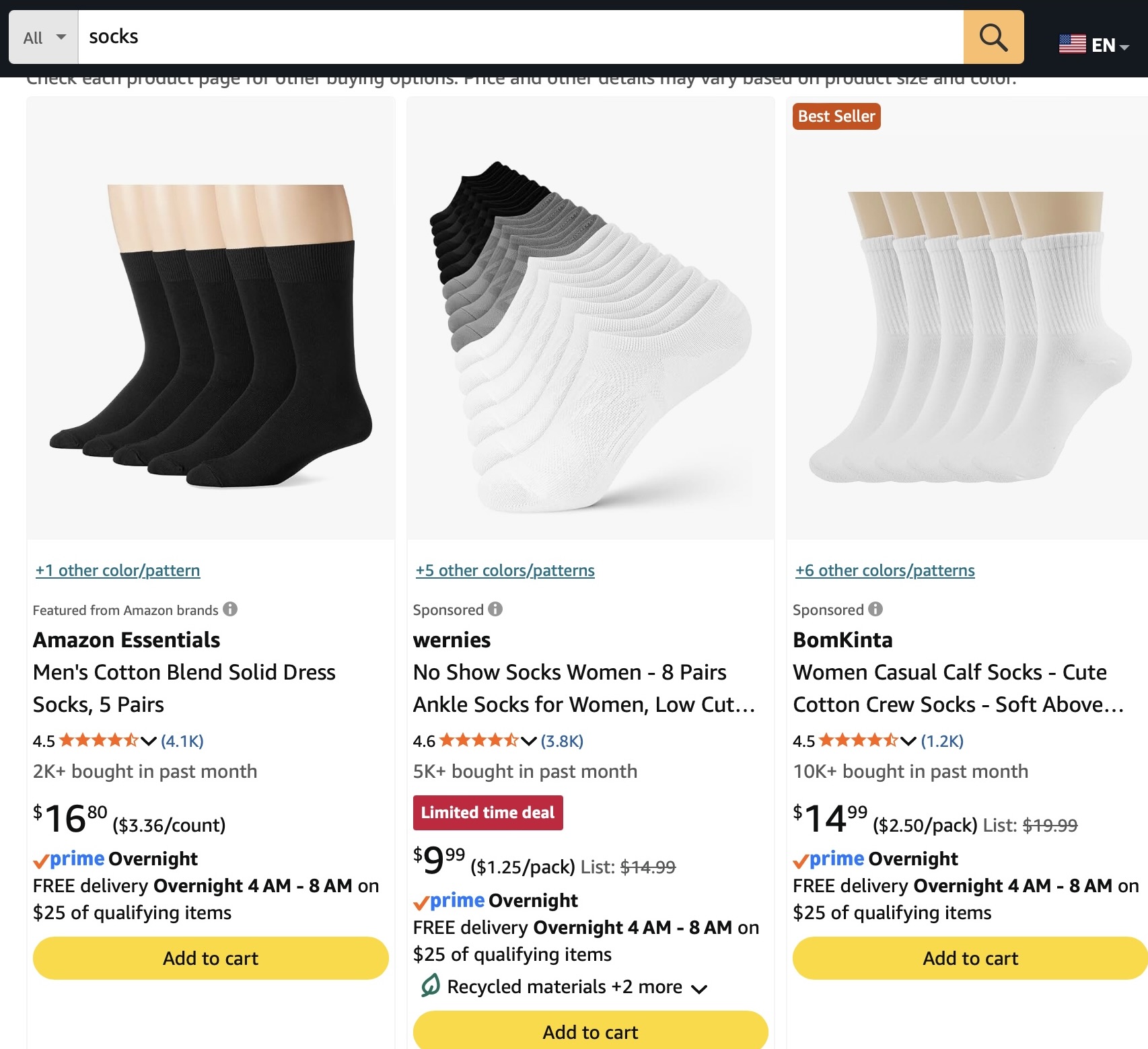
Another important factor to consider is how review systems themselves are designed. Most platforms prioritize visibility based on ratings and engagement, meaning products with more reviews and higher scores are pushed to the top. This creates an incentive for sellers to manipulate reviews in order to stay competitive. When a product appears at the top of search results, users are more likely to trust it without questioning how it got there. This system can unintentionally reward dishonest behavior while making it harder for smaller or more honest businesses to compete. In some cases, even legitimate products feel pressured to participate in these tactics just to remain visible. This shows that the issue is not only about individual fake reviews, but also about how the overall system encourages manipulation.
Even though online reviews can be manipulated, they are still useful when approached critically. Instead of relying on a single review, it’s better to look at patterns across many reviews and compare multiple sources. For example, checking both Google reviews and Yelp for a restaurant can provide a more balanced perspective. Users should also combine reviews with other information, such as product descriptions, expert opinions, or recommendations from trusted individuals.
Ultimately, online reviews are a powerful tool, but they are not perfect. The systems that support them can be influenced by businesses, individuals, and even advanced technology. For college students who make frequent decisions based on online information, being aware of these manipulation tactics is essential. By questioning what we see and taking a more active approach to evaluating reviews, we can avoid being misled and make more informed choices. In a digital world filled with both helpful and deceptive content, critical thinking is one of the most important skills we can develop.
Audience explanation
I chose college students as my audience because they frequently rely on online reviews for everyday decisions, including shopping, food, and services. This makes them especially vulnerable to manipulated or misleading reviews.
Why I chose this format
I chose a blog post format because it allows me to clearly explain how online reviews are manipulated while also providing real-world examples and practical tips. This format makes the information easy to understand and apply.
Citations
Luca, M., & Zervas, G. (2015, May 1). Fake It Till You Make It: Reputation, Competition, and Yelp Review Fraud. Papers.ssrn.com. https://papers.ssrn.com/sol3/papers.cfm?abstract_id=2293164
Federal Trade Commission. (2023, June 29). Federal Trade Commission Announces Proposed Rule Banning Fake Reviews and Testimonials. Federal Trade Commission. https://www.ftc.gov/news-events/news/press-releases/2023/06/federal-trade-commission-announces-proposed-rule-banning-fake-reviews-testimonials


Leave a comment